
The Complete Guide to Planning Your Next Home Move
Everything You Need to Know Before Buying, Selling, Renting, or Moving
Step 1:
Decide Whether Moving Makes Sense
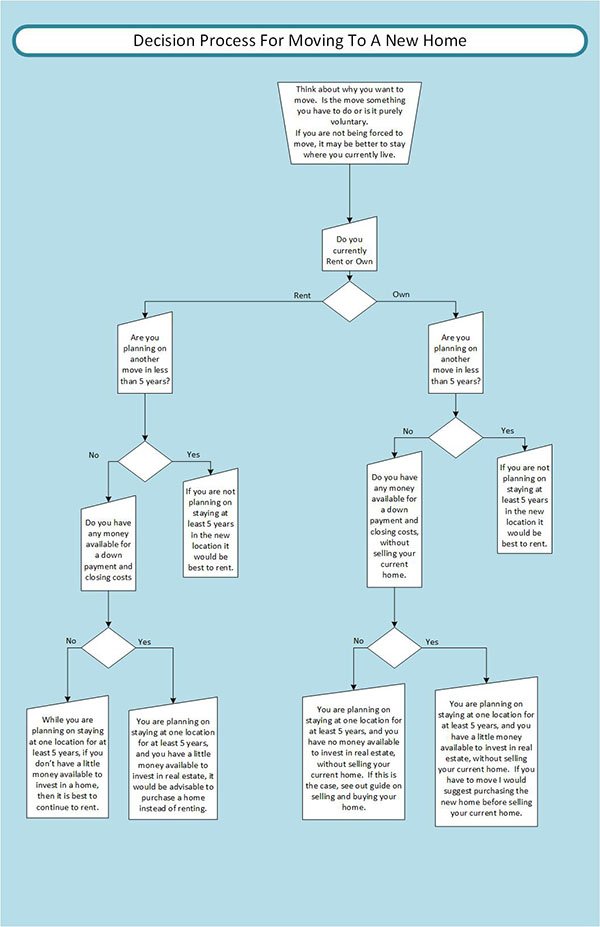
Before you begin searching for a new home, the first step is to develop a plan. Ask yourself one simple question:
Do I have to move, or do I simply want to move?
The answer to that question can have a significant impact on your financial future.
Some situations leave you with little choice. Common reasons that require a move include:
- Job relocation
- Changes in family size
- Non-renewal of a lease
- A home becoming uninhabitable or condemned
- Health or medical needs
- Other unavoidable life changes
Other reasons are based more on personal preference and can often be postponed if the timing is not financially favorable. These may include:
- Wanting a newer home
- Wanting a larger home
- Moving to a different neighborhood
- Better schools
- A shorter commute
- Lifestyle or retirement changes
If your move is mandatory, your focus should be on finding the best housing solution for your circumstances. However, if the move is optional, you have the luxury of deciding whether now is truly the right time.
Step 2:
Making the Move
Once you have decided that moving is the right decision, the next step is creating a plan that makes the transition as smooth and stress-free as possible. Whether you are moving from one rental to another or purchasing your first home, planning ahead can save you both money and frustration.
- If You Are Moving From One Rental to Another
Moving from one rental property to another is generally the simplest type of move because there is no mortgage approval or real estate closing involved.
Before you begin your apartment search, determine how much you can comfortably afford each month. In addition to your monthly rent, remember that most landlords require a substantial amount of money before you receive the keys.
It is common to pay:
- First month’s rent
- Last month’s rent
- A security deposit
- Application fees
- Pet deposits, if applicable
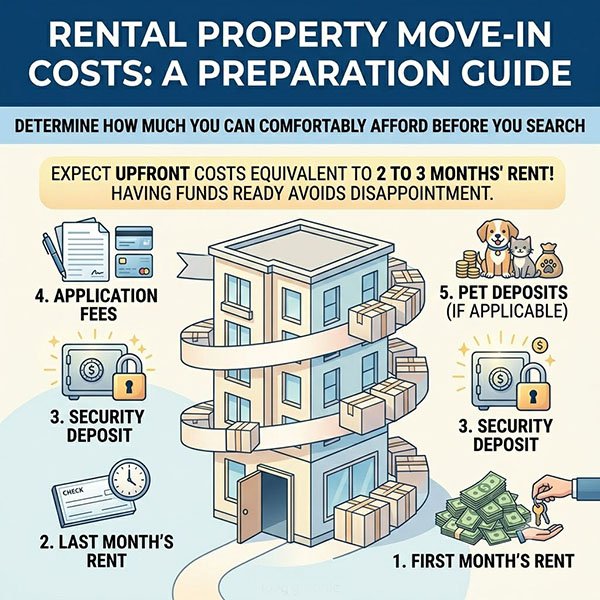
Depending on the property, you may need the equivalent of two to three months’ rent before moving in. Having these funds available before you begin your search will help you avoid finding the perfect apartment only to discover you cannot afford the upfront costs.
2. If You Are Renting and Planning to Buy a Home
If your goal is to transition from renting to homeownership, one of your first steps should be determining how much home you can realistically afford.
The best way to do this is by speaking with a mortgage lender or mortgage broker and obtaining either a pre-qualification or a pre-approval.
Although the terms are often confused, they are very different.
Pre-Qualification
A pre-qualification is an estimate of your borrowing ability based primarily on financial information you provide to the lender. The lender has not yet verified your income, assets, employment, or credit documentation.
A pre-qualification is helpful for establishing a budget, but it is not a commitment to lend money.
Pre-Approval
A pre-approval is much stronger. The lender has reviewed your financial documents, verified much of your information, and determined the maximum loan amount you qualify for, subject to the property’s appraisal and final underwriting approval.
While a pre-approval is not an absolute guarantee that your loan will be funded, it provides sellers with much greater confidence that you are a serious and qualified buyer.
In today’s competitive market, many sellers prefer offers accompanied by a pre-approval letter rather than a simple pre-qualification.
Planning the Closing Date
When you find the right home and prepare an offer, one of the most important terms—other than price—is the closing date.
The closing is the day ownership transfers from the seller to the buyer, legal documents are signed, and the purchase funds are exchanged.
Every seller has different timing needs.
Some sellers may want to close within a few weeks because they have already purchased another home or relocated.
Others may need 60, 90, or even more days because they must first find another home or coordinate a long-distance move.
One clue to a seller’s timing is whether the home is still occupied and fully furnished. Although this is not always the case, an owner-occupied home may indicate that the seller needs additional time before moving.
Typical Closing Timeframes
Although every transaction is different, these are common timelines:
- Fast closing: Less than 30 days
- Typical closing: 30 to 60 days
- Extended closing: More than 60 days
Several factors can delay a closing, including:
- Home inspection issues
- Appraisal problems
- Loan underwriting requirements
- Title issues
- Repair negotiations
- Delays in obtaining insurance
- Buyer or seller scheduling conflicts
Because unexpected delays are common, it is wise to build flexibility into your moving plans.
Coordinating Your Lease and Home Purchase
If you currently rent and are buying a home, timing is critical.
Ideally, begin shopping for a home at least 60 to 90 days before your lease expires. When possible, schedule your closing approximately 30 days before the end of your lease.
This provides valuable breathing room if the closing is delayed.
Although you may have one month where you are paying both rent and a mortgage, that temporary overlap is often far less stressful than being forced to move out of your apartment before your new home is ready.
Having extra time also allows you to:
- Move at your own pace.
- Clean both properties.
- Complete painting or repairs before moving furniture.
- Transfer utilities without rushing.
- Avoid paying for temporary housing or storage.
A well-planned move can save thousands of dollars in unexpected expenses while making one of life’s biggest transitions much easier.
3. If You Own a Home and Plan to Buy Another
If you already own a home and are planning to purchase another one, your first decision is one of the most important you will make.
Will you keep your current home, or will you sell it?
Your answer affects everything from financing to your moving timeline and long-term financial goals.
There are two basic options:
- Keep your current home as either a second home or an investment property.
- Sell your current home and use the proceeds toward the purchase of your next home.
Each option has advantages and disadvantages.
Option 1: Keep Your Existing Home
Many homeowners decide to keep their current home because they believe it will continue to appreciate in value or because they want rental income.
Before making this decision, carefully evaluate whether your finances will support owning two properties.
Even after moving, your current home will continue to have expenses such as:
- Mortgage payments
- Property taxes
- Homeowners insurance
- HOA or condominium fees
- Maintenance and repairs
- Lawn care and utilities (if vacant)
- Property management fees (if applicable)
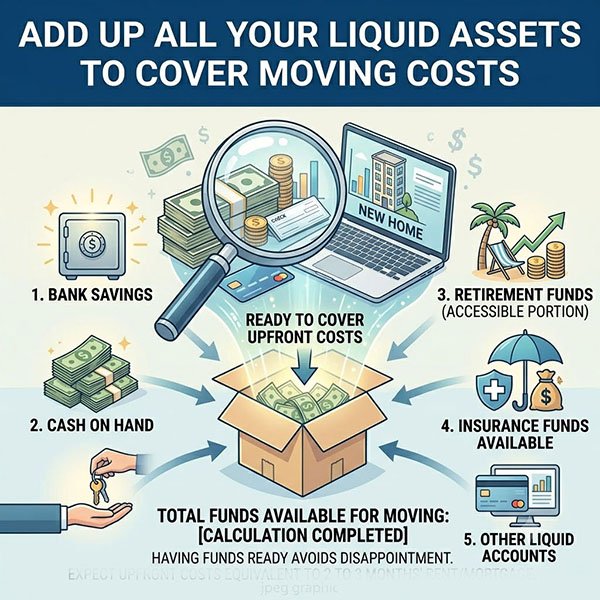
Next, determine whether you have sufficient funds available for:
- The down payment on your new home
- Closing costs
- Moving expenses
- Emergency reserves
A mortgage lender can pre-approve you and determine whether your income is sufficient to qualify for both properties.
Using Rental Income to Qualify
If you plan to rent your existing home, many lenders will allow a portion of the anticipated rental income to help you qualify for the new mortgage.
Depending on the loan program and documentation available, lenders often use 75% to 80% of the expected rental income to offset the existing mortgage payment or increase your qualifying income.
Your mortgage lender can explain exactly how this calculation applies to your situation.
Decide How You Will Use the Home
If you keep your existing property, decide how it will be used.
Second Home
If the property will become your vacation or seasonal home, you can leave as much or as little furniture as you choose.
Annual Rental
Most long-term tenants expect an unfurnished home, although appliances are usually included. Tenants generally want to use their own furniture rather than pay to store someone else’s belongings.
Vacation Rental
Vacation rentals are very different.
Guests typically expect a fully furnished, move-in-ready home complete with:
- Furniture
- Kitchen appliances
- Cookware and dishes
- Bedding and linens
- Televisions
- Internet service
- Small household items
The more complete the home is, the more attractive it becomes to short-term renters.
Once you have developed your financial plan, purchasing your next home is very similar to buying any other home.
Option 2: Sell Your Existing Home and Buy Another
Selling one home while purchasing another is often the most complicated type of real estate transaction because both transactions must be coordinated carefully.
The key to success is planning ahead.
Determine Your Available Equity
Begin by estimating how much money you will receive when your current home sells.
Start with the estimated selling price, then subtract:
- Your mortgage payoff
- Real estate commissions
- Seller closing costs
- Any repairs or concessions you expect to make
The remaining balance represents the approximate equity you will have available toward purchasing your next home.
Adding your available savings to this amount will help determine your budget for the new home.
Meet With a Mortgage Lender Early
Even before your current home is sold, speak with a mortgage lender.
Many buyers can receive a conditional pre-approval, subject to the successful sale of their existing home.
Knowing your purchasing power before you begin shopping prevents you from wasting time looking at homes outside your budget.
Financing Between Closings
Sometimes the sale of your current home and the purchase of your new home do not occur on the same day.
If you need access to your home’s equity before it closes, discuss these financing options with your lender:
- Bridge Loan
- Short Term Personal Bank Loan
- Shelf Loan From Bank
These financing tools can provide temporary funds needed for a down payment or other closing expenses until your existing home is sold.

Select an Experienced Realtor
If you plan to use a real estate professional—and most homeowners do—interview several Realtors before making your decision.
A knowledgeable Realtor can help you:
- Determine the best listing price
- Develop an effective marketing plan
- Prepare your home for showings
- Negotiate offers
- Coordinate both transactions
- Find your next home
Selling your home for the highest possible price is only part of the process. A good Realtor can also help you avoid costly mistakes when purchasing your next property.
Pricing Your Home Correctly
One of the most important decisions is selecting the right asking price.
Pricing significantly above market value often results in fewer showings and a longer time on the market.
Pricing competitively generally attracts more buyers and can even create multiple-offer situations that increase the final selling price.
The goal is to maximize both your selling price and the likelihood of selling within your desired time frame.
Coordinating Both Closings
The ideal situation is to sell your current home and purchase your next home with as little disruption as possible.
Many homeowners try to schedule the purchase of their new home shortly before or on the same day as the sale of their existing home.
If necessary, a short-term bridge loan can provide the funds needed to close on the new home before receiving the proceeds from the sale of the old one.
This allows you to move directly into your new home instead of placing your belongings in storage or finding temporary housing.
Final Thoughts
Owning one home while buying another requires careful financial planning, realistic expectations, and good timing. With proper preparation and professional guidance, both transactions can often be coordinated smoothly, allowing you to move directly from one home to the next with minimal stress.